

How We Turned One Bottle Into a Scalable Product System
How We Turned One Bottle Into a Scalable Product System
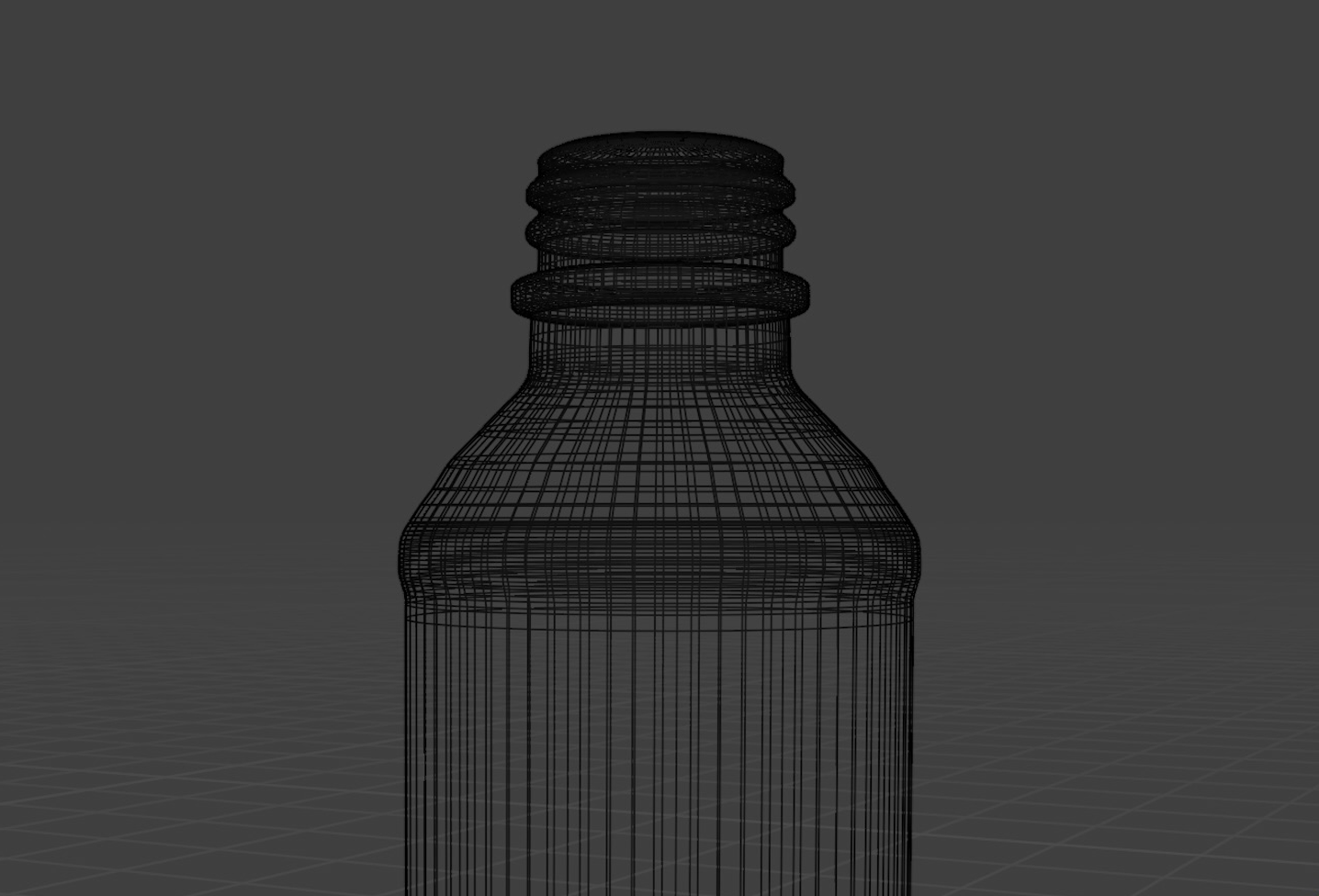
If your business relies on visual assets to sell, but every new product requires another photoshoot, more revisions, and more coordination, you do not have a design problem.
You have a system problem.
This case study breaks down how we took a single physical bottle and turned it into a scalable 3D asset that can support an entire product line without adding more work to the calendar.
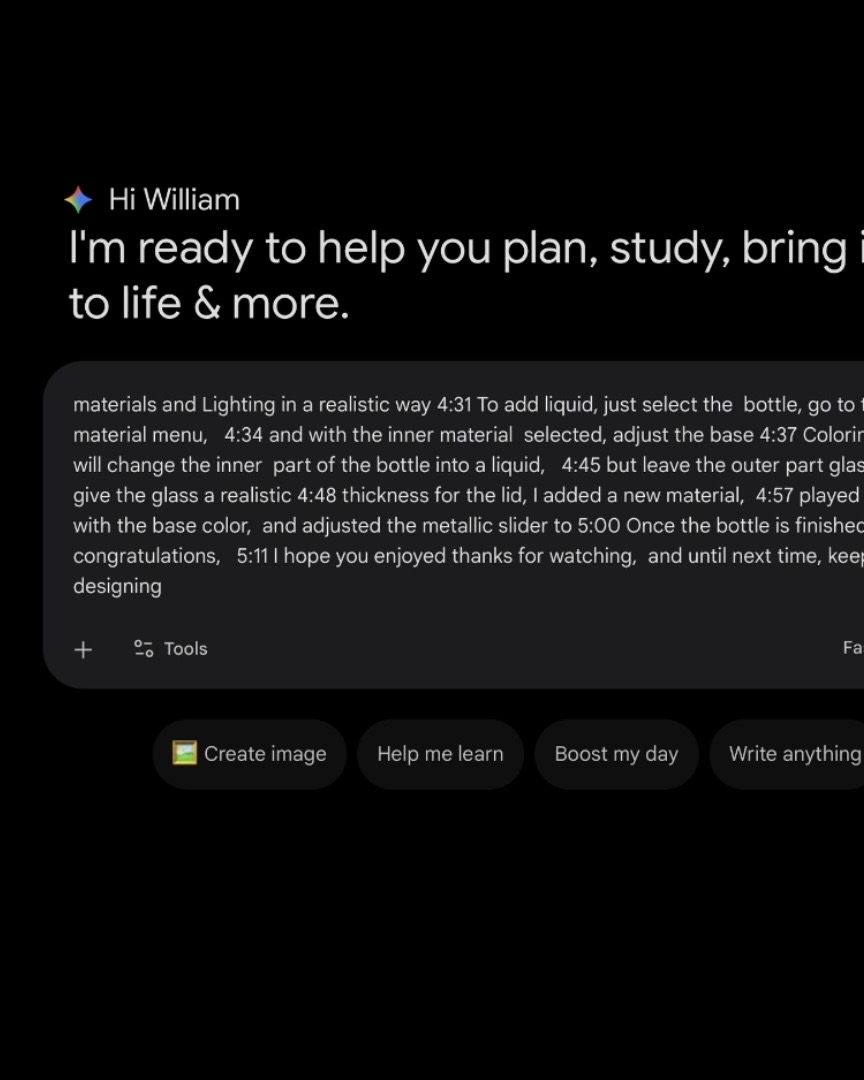
The Real Constraint
The goal was not to create a “nice looking render.”
The goal was to remove the need for repeated effort.
Every new product in this line would require:
New photos
New edits
New lighting adjustments
New inconsistencies
That is how teams slowly lose time without realizing it.
When your process does not scale, your workload compounds.
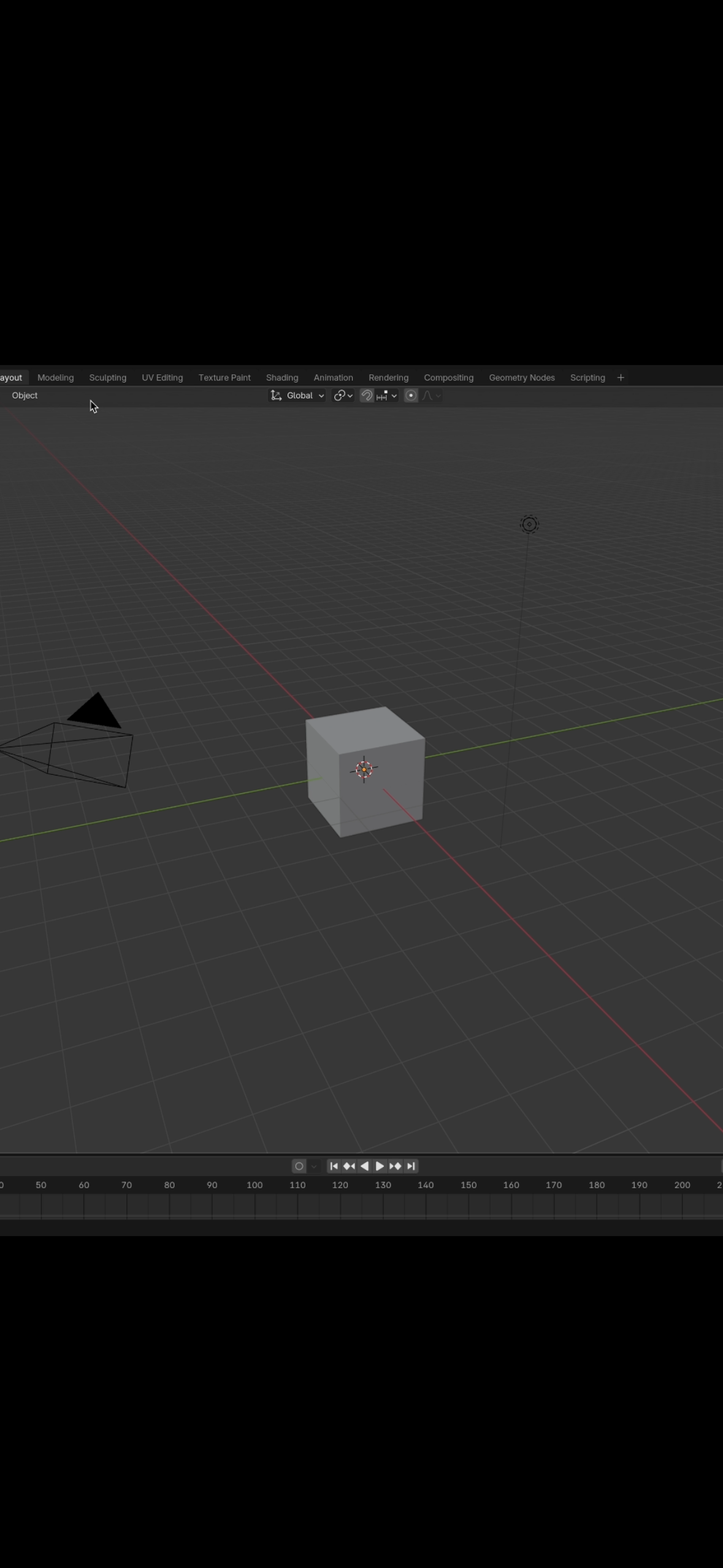
The Shift
Instead of thinking in terms of outputs, we shifted to thinking in terms of assets.
One asset
Built correctly
Used repeatedly
That is where leverage comes from.
Screenshot
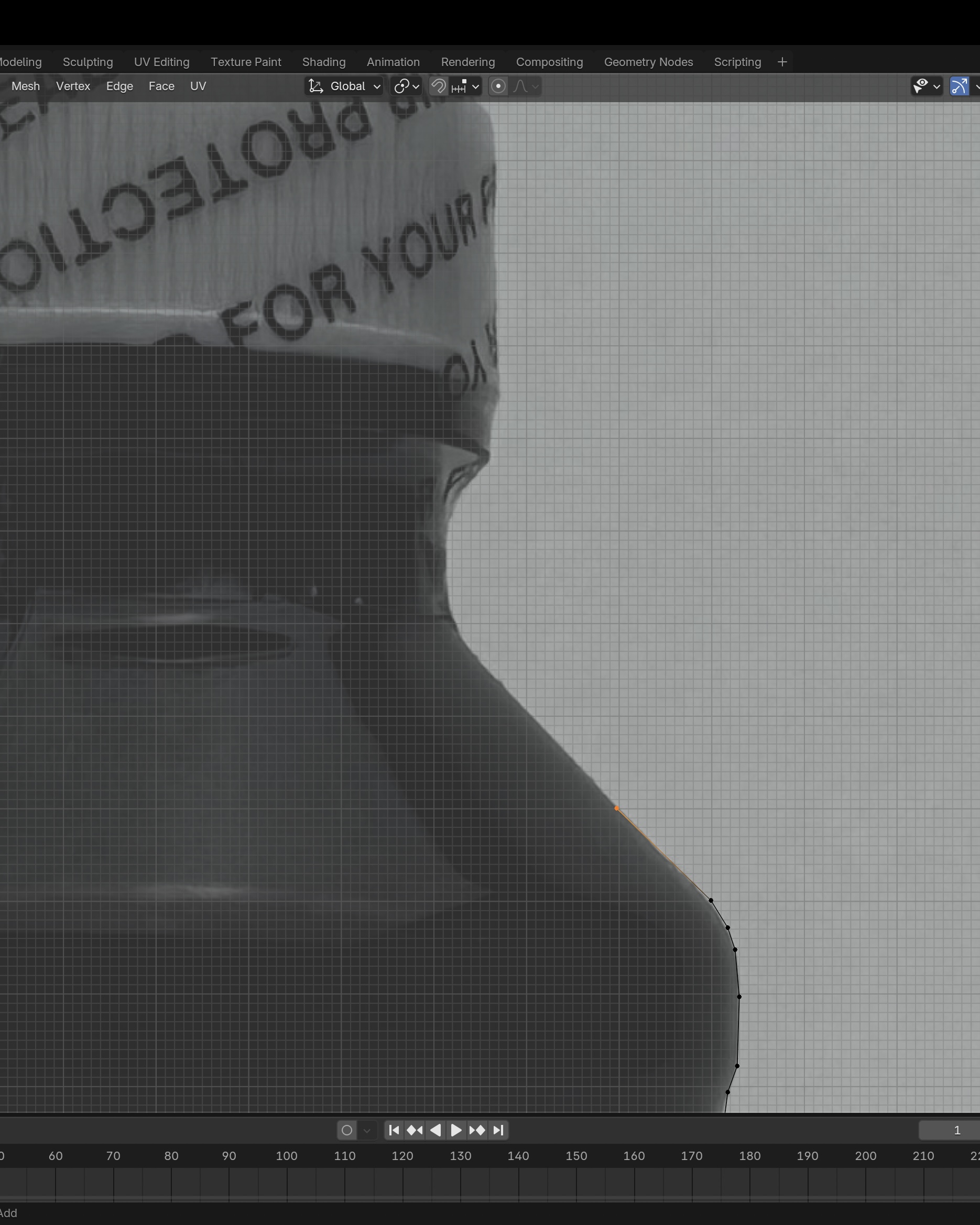
Step 1
Capture Reality Once
We started with a simple reference shoot.
Not for marketing
Not for final use
Just to capture the true proportions and shape of the bottle.
This gave us something most teams skip
Accuracy at the foundation
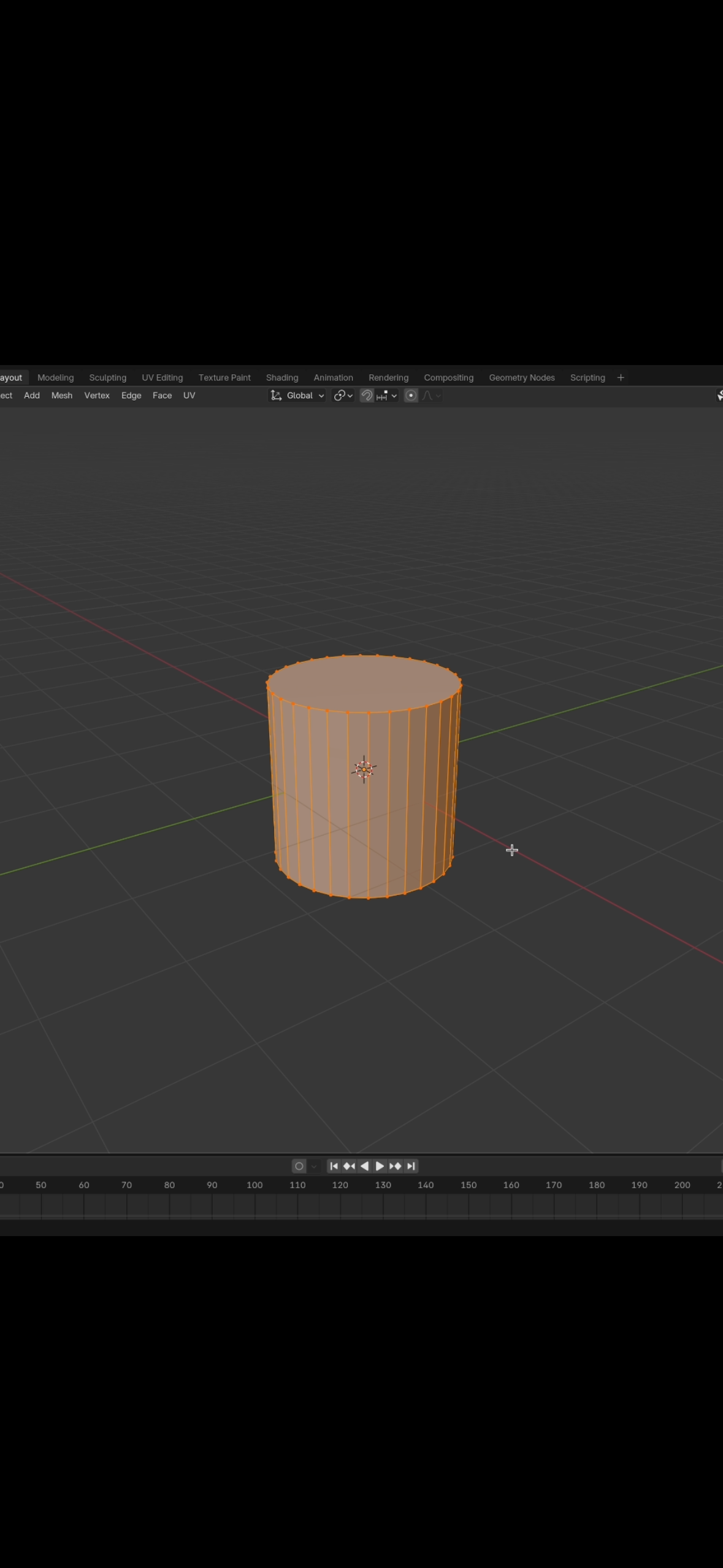
Step 2
Translate Into 3D
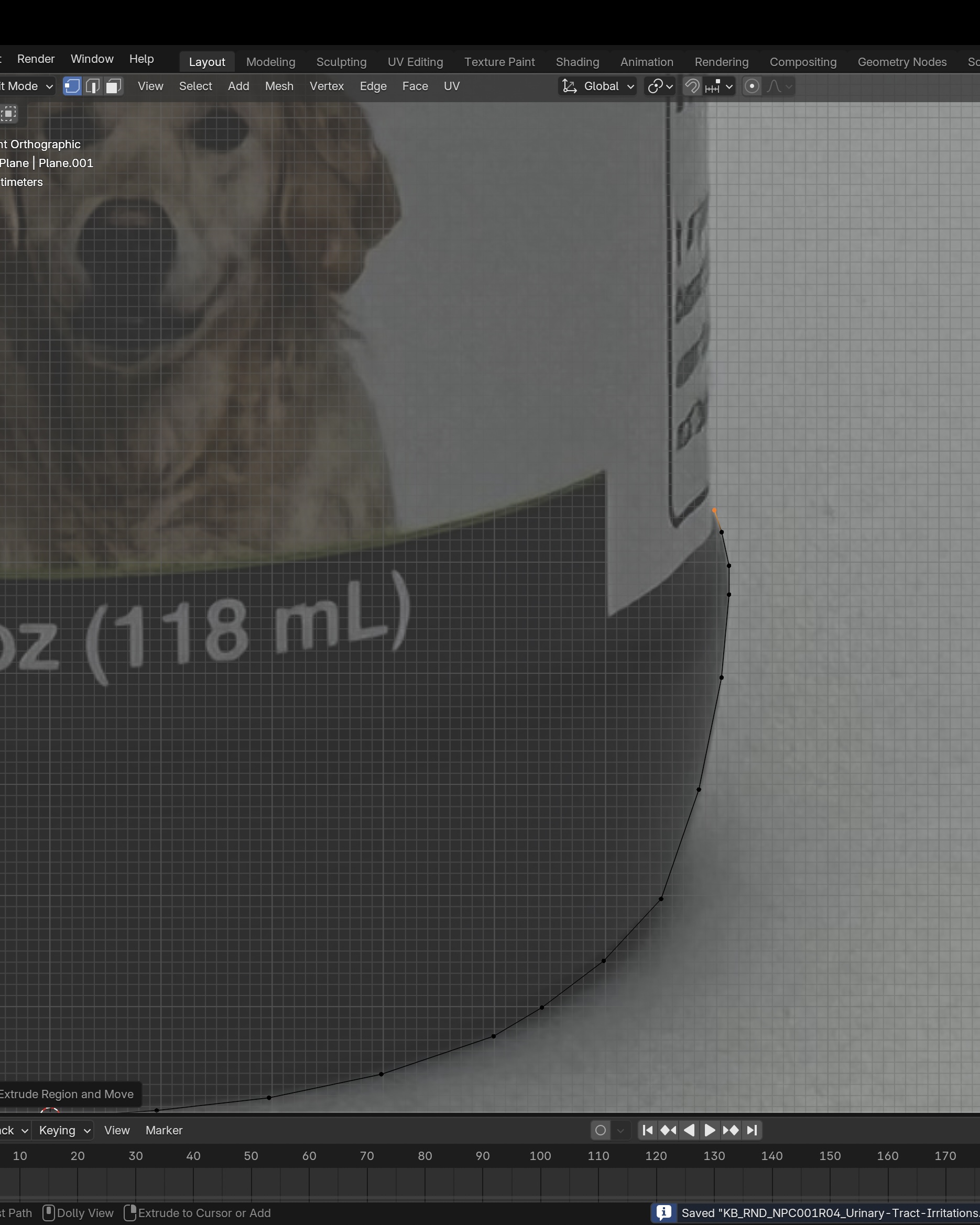
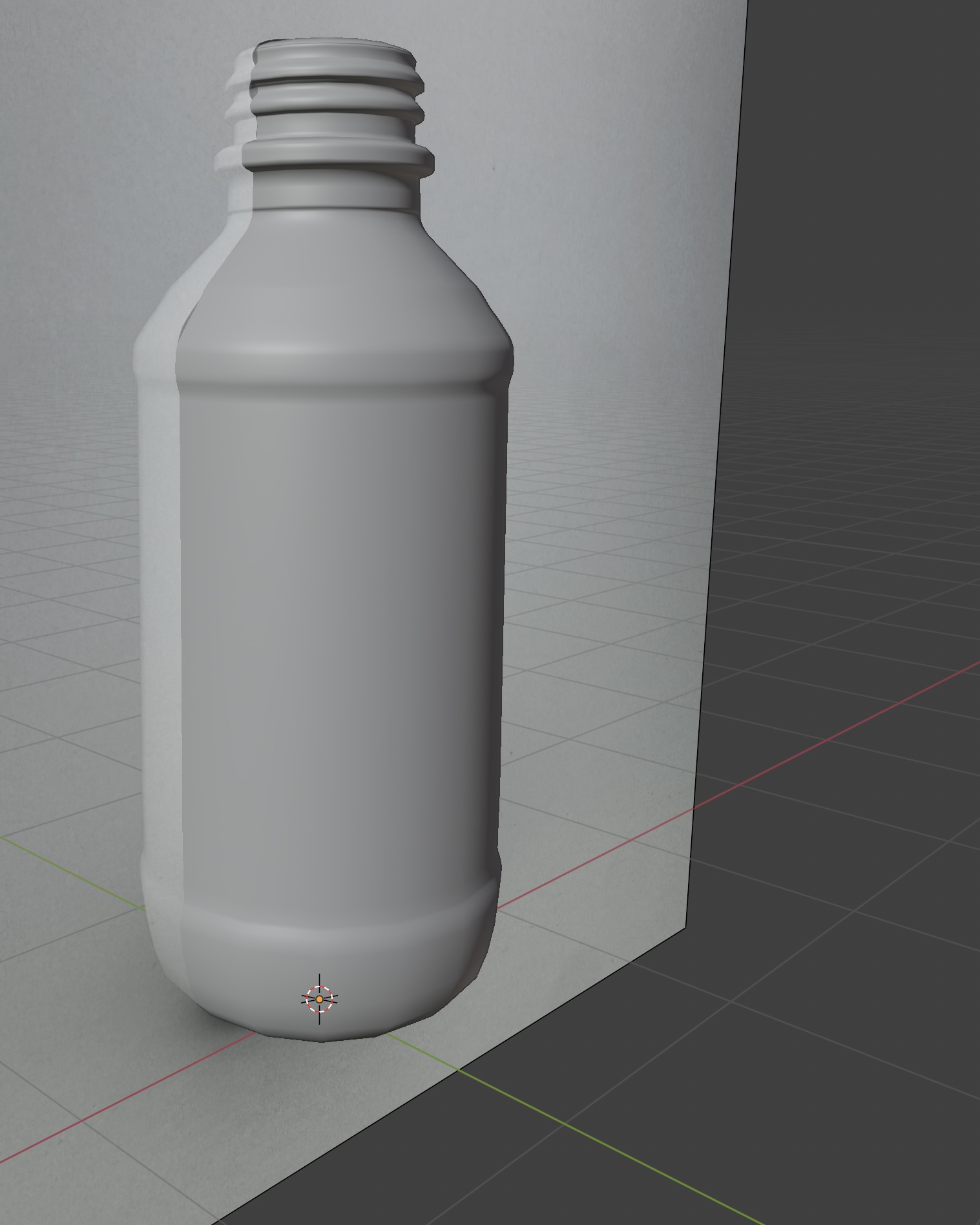
The reference image was brought into Blender.
From there, we manually traced the profile of the bottle from base to top.
This step matters more than it seems.
Instead of guessing proportions or approximating shapes, we built directly from reality.
Once the profile was complete, we converted that curve into a full 3D object.
Now we had something usable, editable, and repeatable.
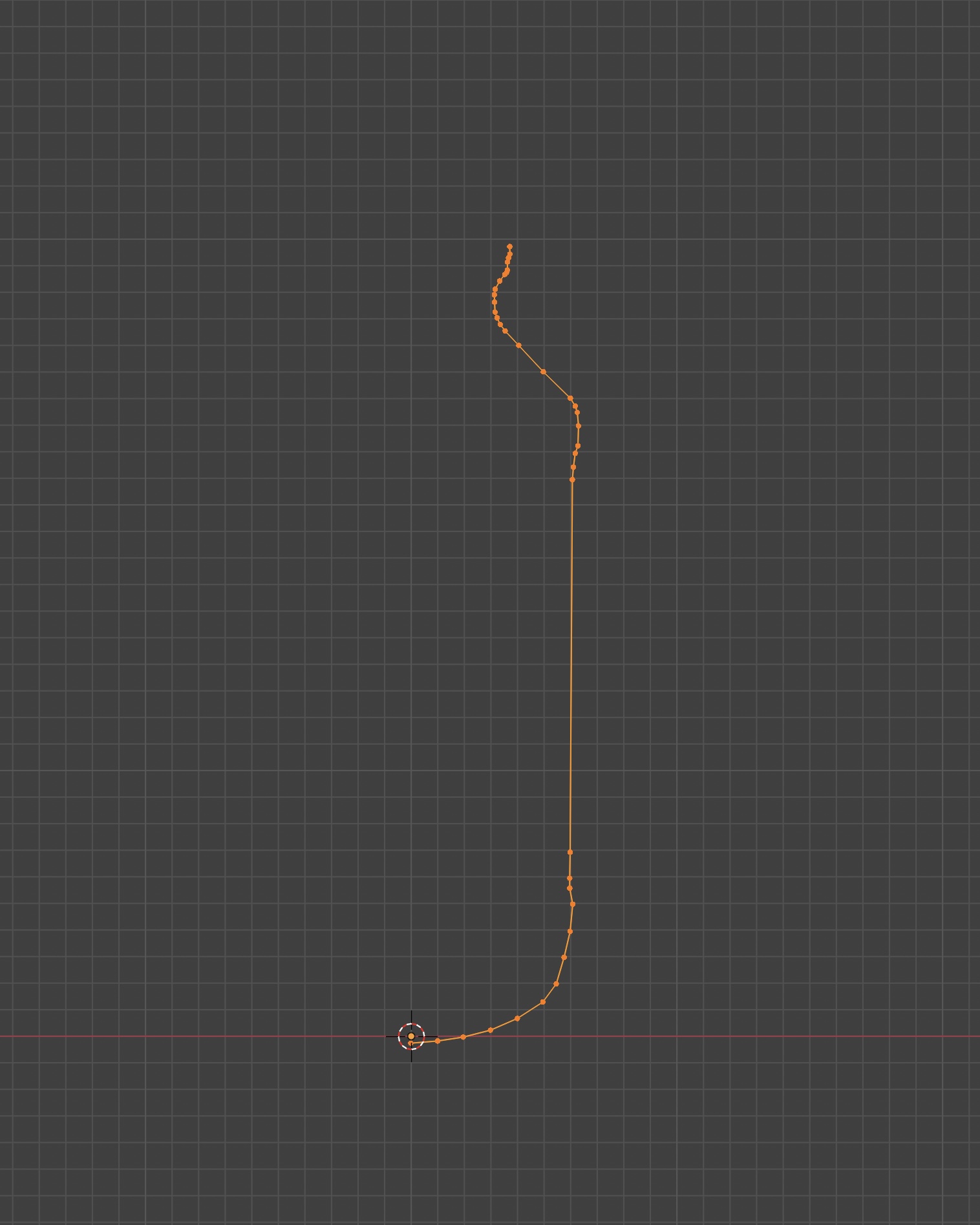
Screenshot
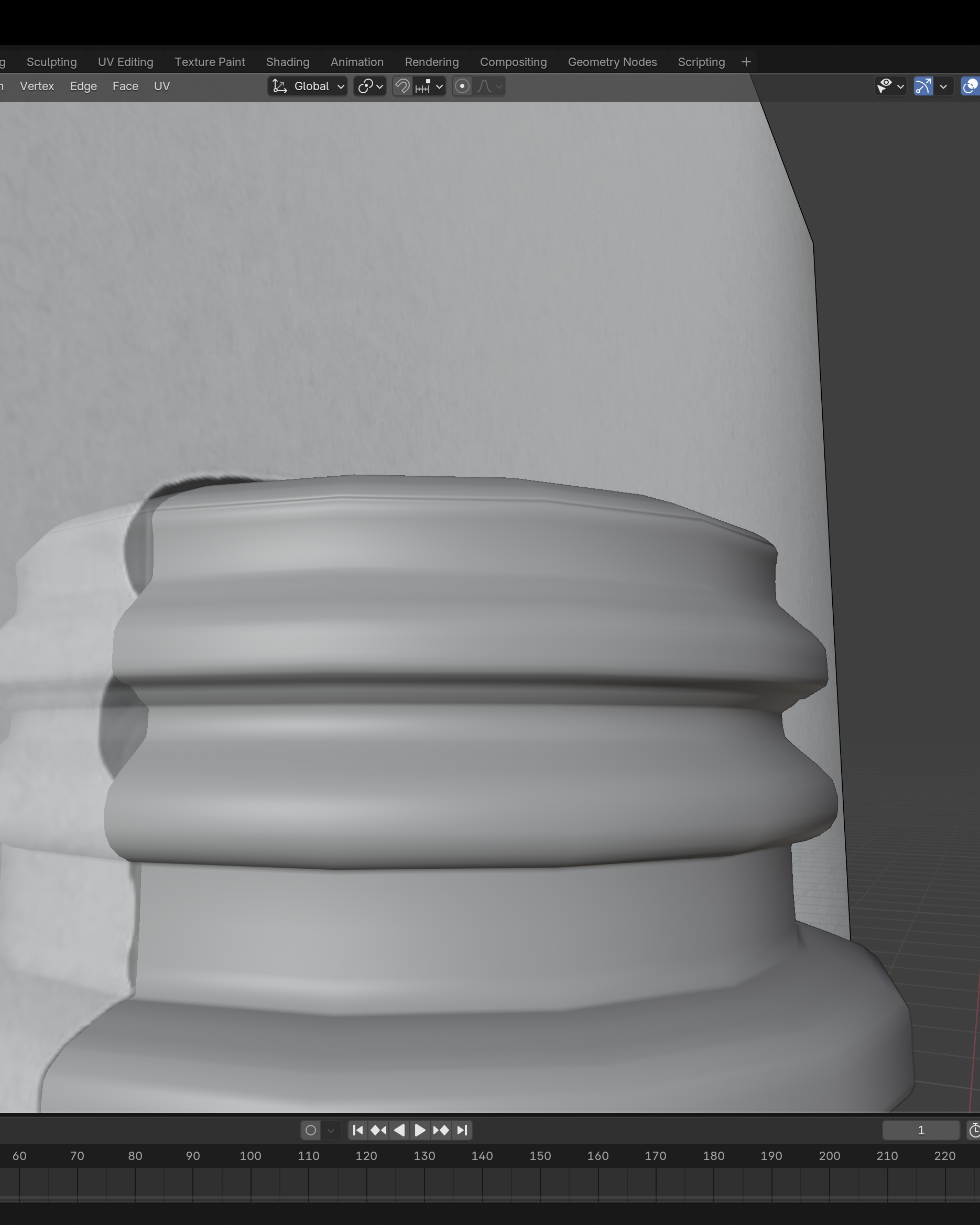
Step 3
Refine the Geometry
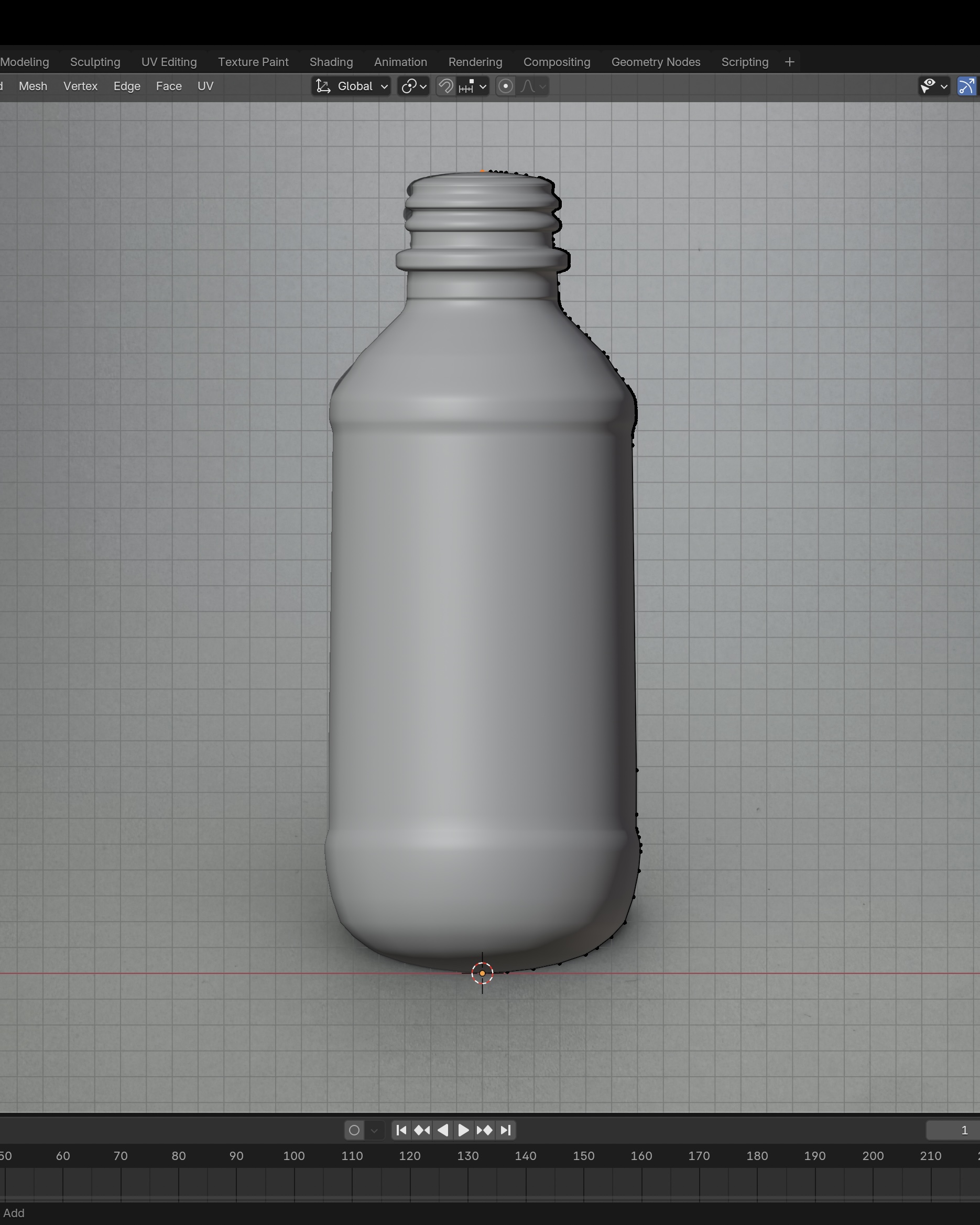
From the base shape, we refined key details:
Neck transitions
Cap threading
Base curvature
Surface smoothness
This is where most shortcuts create long term problems.
If the geometry is off, every future render will require adjustments.
If the geometry is right, everything downstream becomes simple.
Screenshot
Step 4
Use AI to Reduce Friction
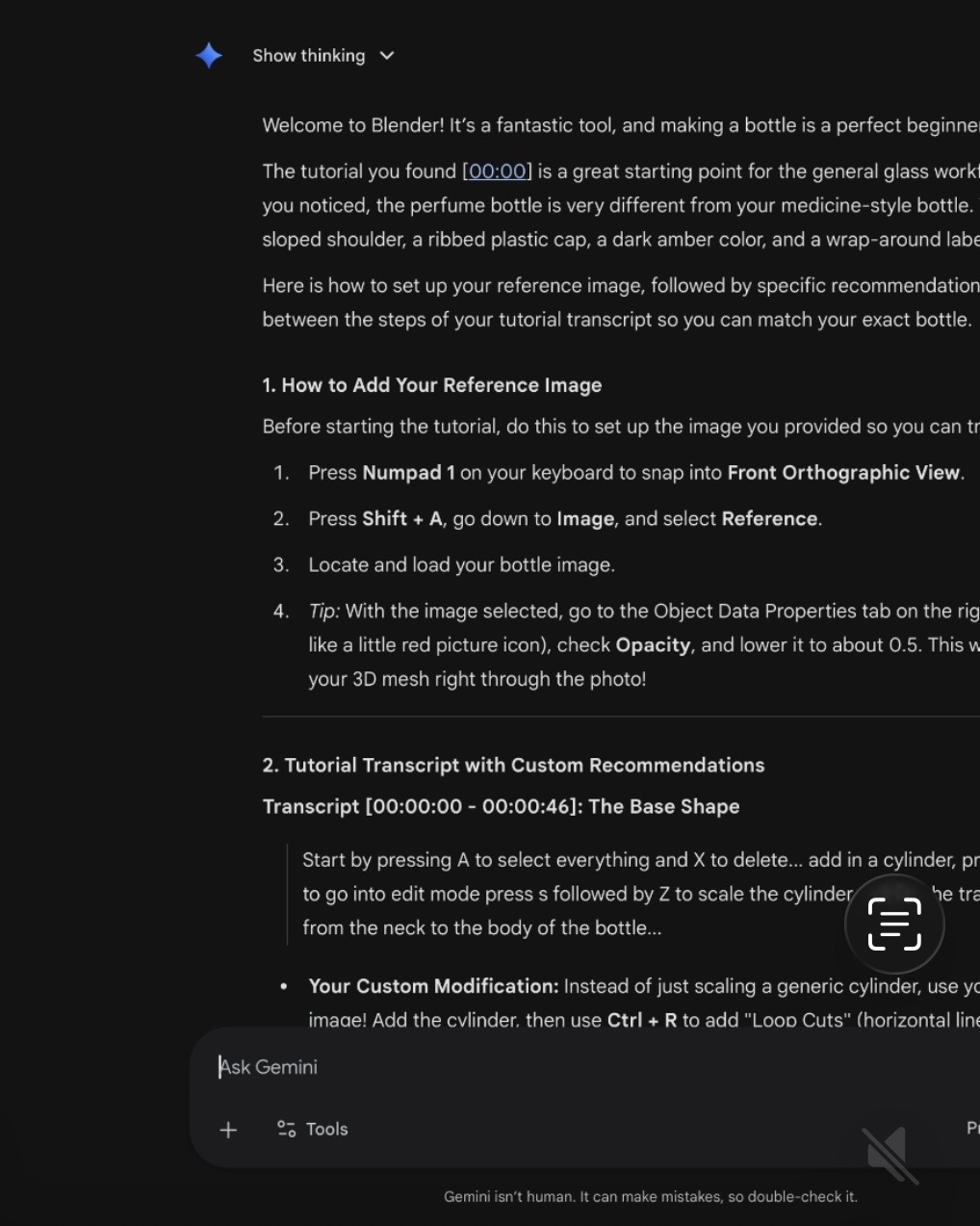
We used AI to analyze the reference and guide specific steps in the build process.
Not to replace the work
But to remove unnecessary trial and error
Instead of searching, guessing, or overbuilding, we used AI to:
Clarify steps
Validate approach
Reduce complexity
This allowed us to move faster while maintaining control.
Step 5
Create a Scalable Output System
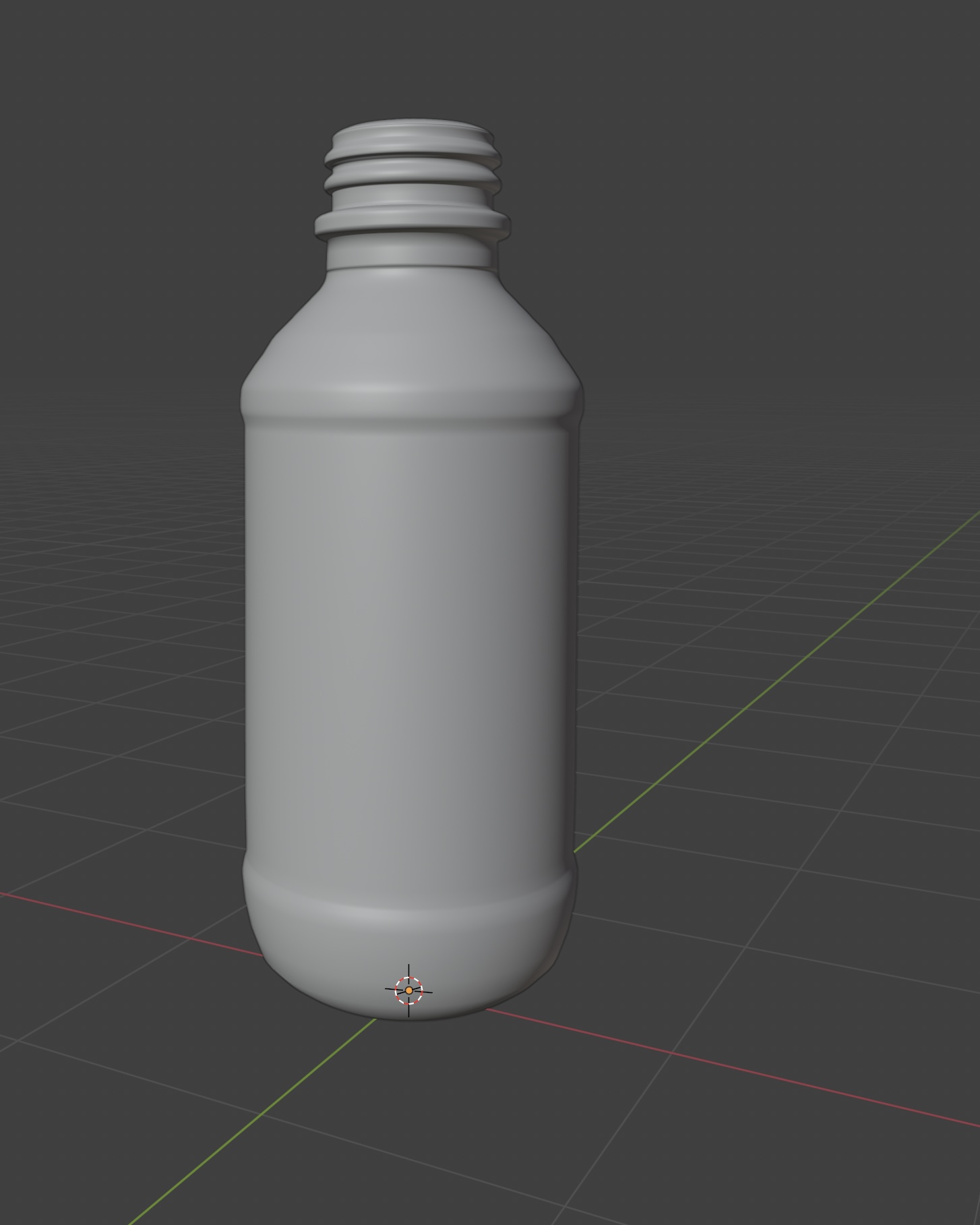
With the 3D asset complete, the real value unlocked.
We can now generate:
Clean white background product images
Consistent lighting across all SKUs
Multiple angles without reshooting
Future label variations without redesign
And most importantly
We only had to solve the problem once
Screenshot
What This Actually Solves
For most founder CEOs, the problem is not effort.
It is repeated effort.
Every time you:
Redo something
Re-explain something
Recreate something
You are paying a tax on your time.
This system removes that tax.
The Compounding Effect
One correct asset becomes:
9 products
18 images
36 variations
Unlimited updates
Without adding more hours
That is how you get time back.
What This Means For You
If you are constantly:
Revisiting the same work
Managing small creative tasks
Coordinating details that should be solved already
You are operating without leverage.
The shift is simple:
Stop solving for the next output
Start building systems that remove future work
The Bottom Line
We did not just create a bottle render.
We created a reusable asset that eliminates future bottlenecks.
That is the difference between staying busy and building something that scales.
If you are working 100 plus hours a week and your backlog is not shrinking, it is not because you need to work harder.
It is because your systems are not doing their job.
Fix the system once
And everything after gets easier